
Ontario Motorcycle M1 Driving Test
Part 4

Ontario Motorcycle M1 license signifies an exciting journey into the world of professional motorcycle operation. This license allows you to ride motorcycles and mopeds for commercial purposes, opening up new horizons on the open road. To attain it, you must ace both a written test and a road test. The written test assesses your knowledge of motorcycle safety, traffic regulations, and road signs, making it essential to study the Ontario Driver’s Handbook.

2
Created on By canadiandrivingtest

Ontario Motorcycle Practice Test M1 Parts 4

1 / 49

In a given situation where you have your M2, preferably M license, how will your motorcycle react if you carry passengers?

2 / 49

When you have your M2, preferably M license, what are the necessary instructions you will give the passengers in case they have to ride with you?

3 / 49

How is a motorcycle to be started?

4 / 49

How does selecting a motorcycle safety course affect the time to reach the M2 license?

5 / 49

A flashing green light at the intersection where turns to the left and right are permitted indicates what?

6 / 49

Where should you place the helmet if you are pulled off the road and need help?

7 / 49

According to the law in Ontario, the motorcyclist and the passenger have to __________.

8 / 49

A solid line at the left of your lane means ________.

9 / 49

What should you do if a large animal is on the road?

10 / 49

If a motorcycle’s colour changes, what are you required to do?

11 / 49

When accelerating or applying the brakes, one should do the following to maintain strong control and grip over the motorcycle ________.

12 / 49

Driving in foggy conditions with increasingly poor visibility, a motorcyclist should _______.

13 / 49

Which tire track should you be in when driving a motorcycle in the right curb lane?

14 / 49

When commencing to drive on a hill, what should a motorcyclist avoid?

15 / 49

If you make modifications to a motorcycle, what should you ensure first?

16 / 49

If you are pulling off the road, what steps should you take?

17 / 49

Why is it deemed dangerous to slow down your motorcycle by reducing the throttle or simply downshifting?

18 / 49

What are the leading factors of motorcycle collisions at intersections?

19 / 49

What are the three steps to driving over objects safely?

20 / 49

On a paved road with two lanes, which part of the road will have a more significant amount of gravel and sand accumulated?

21 / 49

In case of taking a turn too fast, what are the possible outcomes?

22 / 49

To keep control over the motorcycle, one should __________.

23 / 49

Upon approaching a stop sign, what does the law require you to do before entering an intersection?

24 / 49

Which kind of helmet offers the best protection?

25 / 49

When you are driving, it is dangerous to attempt to __________.

26 / 49

If another vehicle suddenly stops in front of you or pulls out of a lane and gets in your way, what do you need to do to avert an accident?

27 / 49

What is the role played by road race or clamp-on handlebars?

28 / 49

When should the headlights of the motorcycle be turned on?

29 / 49

When riding with a group of motorcyclists, a staggered formation ________.

30 / 49

Where should you shift your weight if the back tire blows out?

31 / 49

When two vehicles approach a four-way stop sign intersection at right angles to each other and at the same time __________.

32 / 49

Driving on the paved shoulder on the right side of the road is acceptable if one is _________.

33 / 49

What are the ways by which motorcyclists can make themselves more visible during the nighttime?

34 / 49

What should you get from the seller when buying a privately used motorcycle?

35 / 49

Checking the mirrors is especially needed when __________.

36 / 49

Which tire track should you be in when driving a motorcycle in the passing lane?

37 / 49

What are the things that should be checked on a motorcycle weekly, apart from the specific routine checks?

38 / 49

When preparing to drive an unfamiliar motorcycle, it is important to _________.

39 / 49

Upshifting or downshifting on a curve __________.

40 / 49

Wearing protective clothing helps to _______.

41 / 49

Can you drive your motorcycle in another province if you are from another province?

42 / 49

What should you do in the unlikely event of being chased by a dog?

43 / 49

Which kind of mirror gives an image showing objects at a farther distance than they actually are?

44 / 49

Weaving in and out of heavy traffic is ________.

45 / 49

Which lanes should be avoided on a freeway with three or more lanes?

46 / 49

Which lanes should be avoided when changing lanes on a freeway, and why?

47 / 49

What should one do in a blind curve when the view of the path ahead is restricted?

48 / 49

How does cold weather influence the motorcycle’s functioning?

49 / 49

In case the chain breaks, what should one do?

Your score is

The average score is 45%

0%

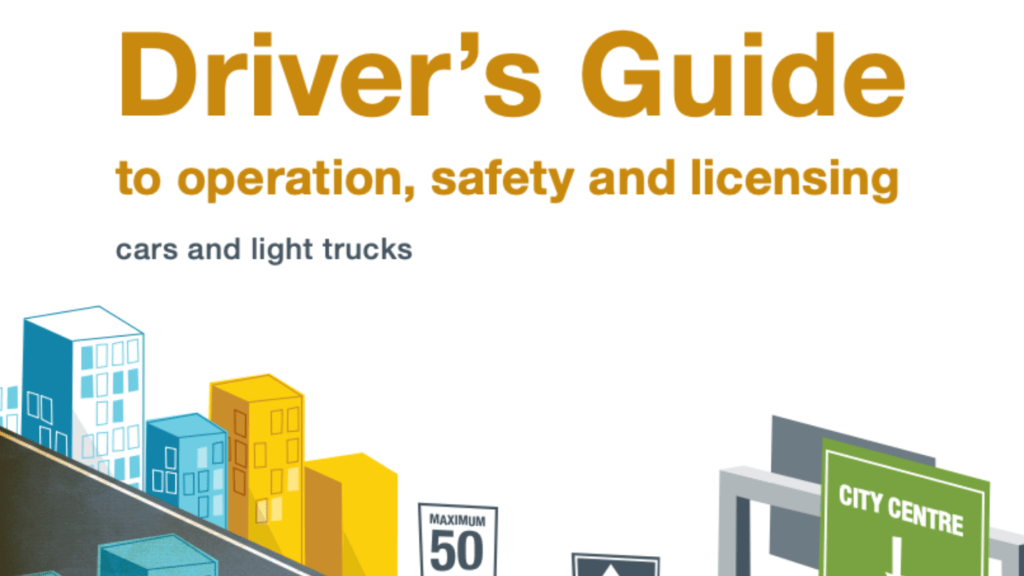
Driver's Handbook

Preparing for the Ontario Motorcycle driving handbook test is the first step to securing your commercial driver’s license. This comprehensive handbook serves as your essential guide to the rules of the road, safe driving practices, and commercial vehicle operation. To ace the test, start by thoroughly studying the handbook, which covers everything from road signs to vehicle inspections. It’s crucial to understand the intricacies of Motorcycle driving, including cargo transportation, hours of service regulations, and safety protocols.
Watch our Videos

Ontario Driving Knowledge Test videos are your key to conquering the written exam. With engaging visuals, expert explanations, and practice opportunities, these videos will help you prepare efficiently and with confidence. So, don’t stress about your upcoming test—watch our video guide and cruise smoothly towards success.

Leave a Comment

Your email address will not be published. Required fields are marked *

Scroll to Top